
Writing Lessons From… The Residence (The Book) Aka Finding Inspiration For Fiction In The Non-Fiction
A little while ago I wrote a Writing Lessons From… about The Residence, a cosy murder mystery set in the White House (available on Netflix). The show has become my new comfort watch, and yes, I’m still watching it on repeat.
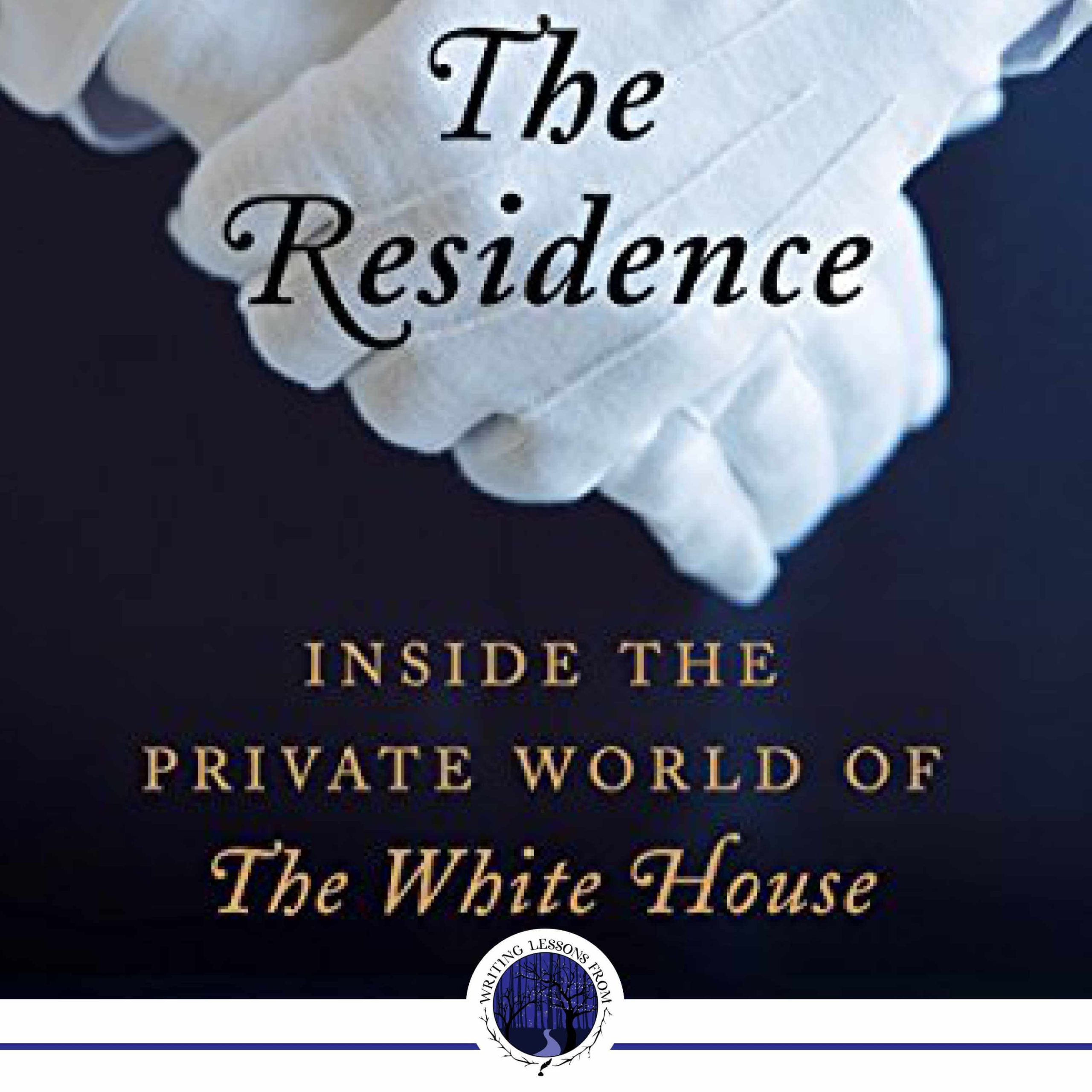
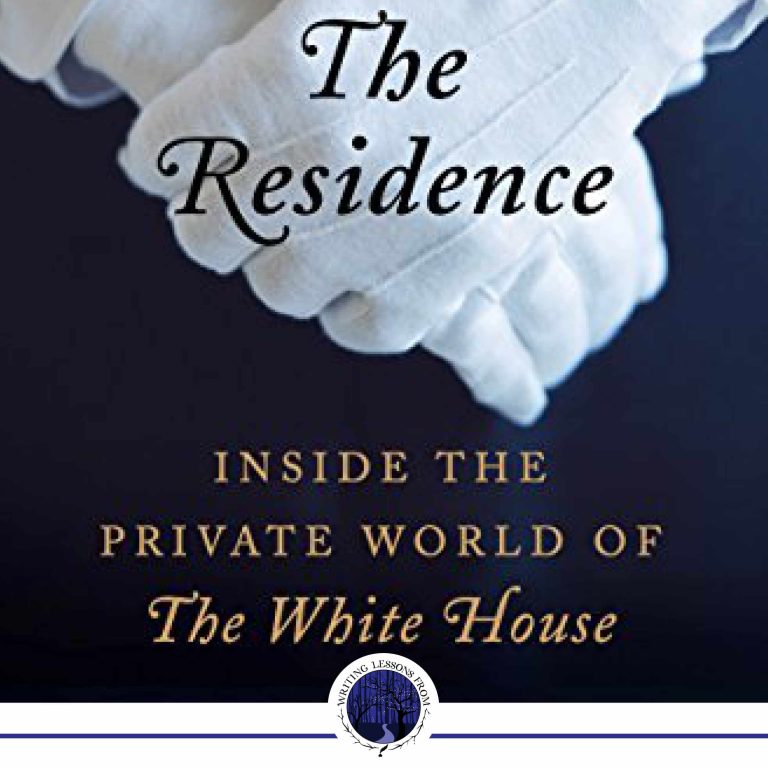
It turns out the show is based not on a novel but is inspired by a non-fiction book, also called The Residence, by Kate Andersen Brower.
What? How do you turn a non-fiction book about how the residence part of the White House operates into a fun murder mystery?
This blew my mind.
Of all the places to find inspiration.
Of all the ways to construct a story.
So I did what any other rational writer would do in this situation: I borrowed the book from my local library (hurray for libraries!).
Expecting to read the beginning and then skim through, I was shocked and amazed at how well written and fascinating the book is. I read every word. I cried, I laughed, I am in awe of the residence workers.
I know I could never be one, even if I did get a recommendation to work there (which is the only way you can work there – they don’t advertise roles).
Anyway, back to my whole point: how do you take inspiration from a non-fiction book and turn it into something else entirely?
(Necessary disclaimer: the book covers the time period from JFK to Obama. You can easily read this book and watch the show without having to think about current circumstances.)
Below are no spoilers for the TV show The Residence. I will share anecdotes and character points. I’m not going to tell you whodunnit.
(I cannot recommend The Residence enough. Go watch it on Netflix, check out the Writing Lessons From…, and borrow the book from your local library. You won’t be disappointed.)
Of course, the main plot of The Residence, the TV show, is a murder mystery, and during the show it’s easy to see where that inspiration came from. The characters even mention it!
All the different rooms: the library, the games room, the sitting room, the dining room. All the possible murder weapons.
Viewing the house as a giant gingerbread dolls house (how amazing was that?).
It’s obviously a giant Cluedo board!
The Residence book itself is fascinating. It starts with an emotional journey as JFK is assassinated and the staff wait for the return of Jackie Kennedy on Air Force One, and then takes us into different realms and families.
This includes wonderful little anecdotes and tales told by ex-residence staff to the author during interviews. And some of these tales made it into the TV show.
In the show, President Morgan has a thing about his shower. He wants it HOT.
Hot and powerful.
But the White House is an old building and the plumbing just isn’t up to it, so engineer Bruce works on it daily, until he gets it just right.
It’s a little ridiculous to think that this is based on fact. President Johnson was the one who wanted his shower insanely HOT and powerful. The engineers put their everything into giving him the shower he wanted, and then the day he left and the new president moved in, it was ripped out.
Or how about the fake room renovation? In the show we discover one of the bedrooms on the third floor is being fake renovated to keep Harry’s sister from staying there.
‘Jackie Kennedy did it,’ says the first husband as defence when Harry finds out.
She did! It’s true. To avoid having guests staying over one time, she asked the staff to make it look like the bedrooms were being renovated. They went the whole nine yards, filled the rooms with sheets and decorating equipment, pots of paint and even an ash tray filled with cigarette butts.
Apparently JFK kept laughing when showing their guests around, because of the effort the staff had gone to for his wife’s ruse!
Then there’s the general inspiration. Ideas taken and twisted a little.
Towards the end of the book, the author discusses the 9/11 terror attacks. I don’t know about you, but there’s so much focus on the towers that I tend to forget about the Pentagon attack and that there was a fourth plane, brought down by the brave passengers.
That fourth plane was heading for the White House.
The evacuation of the White House was messy and many staff either opted to stay behind in their beloved building or were trapped there because they didn’t get the evacuation message quick enough.
Paul William Davies, the show’s writer, obviously used this in reference to a vague terror attack in the TV show, when staff became closer and maid Elsie and engineer Bruce properly fell in love.
Which, by the way, also happens in the book.
Head Housekeeper Christine Limerick was also a seamstress and asked to help with a new engineer’s uniform. They went on a date to shut up the senior engineer who was teasing them about their chemistry, and they were married within the year.
All these little anecdotes and stories, taken from the book have been fed into the TV show as character arcs and development, and plot devices.
It’s also easy to see where the idea to set the murder during a state dinner came from – state dinners are mentioned as being incredibly important throughout the book, including an Australian state dinner with a memorable dessert.
Also helped by the true tale of a pastry chef and the kitchen chef hating each other’s guts and refusing to talk or even look at the meals the other was preparing!
The biggest thing taken from the book was the theme.
Throughout the book is the utmost respect, devotion and dedication the residence staff have for the house.
Not the first families.
The house.
Everything the house stands for and love and respect for whichever family is calling it home.
This is the overall theme of the book, and therefore the overall theme of the TV show.
It governs how each characters acts and reacts, even to the point of top political advisor Harry pointing out to Detective Cupp that ‘this is bigger than you.’
Cupp then sums up the devotion to the house beautifully at the end, when she reminds everyone that while she’d caught the murderer, someone died. She makes A.B. Wynter, our murder victim, real, and after reading the book, you realise that Wynter represents the very soul of the residence staff as a whole.
The writing lessons, turning non-fiction into fiction
Okay, this is getting long and I could talk about this for hours, so let’s get on to the writing lessons and what we can all take away to improve our own craft.
How do you choose which parts of the story to use?
There were so many good anecdotes that didn’t end up in the TV show.
For example:
During President Truman’s administration, the wooden framing of the White House had become so rotten that the huge chandelier hanging in the Blue Room swayed dangerously right above a tea the first lady was hosting, all because the president was taking a bath directly overhead on the second floor.
President Truman had the rotting wood replaced with a steel structure to protect the house and its residents, but this all happened long enough ago that it might not fit in with a modern murder mystery.
Or could it?
When using a book as detailed and interesting as The Residence, you’re going to have to be picky. Really look at the characters and the story, and choose the tales that truly fit and hold everything together.
The Truman balcony, built when he changed the rotting wood for metal, is now part of the Yellow Oval Room, but it doesn’t feature at all in the TV show. It isn’t even mentioned. Because it isn’t relevant.
Interesting, yes, but sadly not relevant to this particular story.
Do extra research.
One massive thing was missing from the book that’s key in the TV show: Detective Cupp and President Roosevelt’s joint love of birding.
I did a quick search and discovered that Teddy Roosevelt was indeed a famous, keen birder and listed 93 species of bird he spotted in the White House grounds.
That’s the list Cupp brings with her on this case, eager to match it.
It turns out wallpaper Ronald Reagan had installed had birds on it, which was hugely influential in the design of the sets, as well as Cupp connecting the birds to the murder investigation.
Take your main inspiration from one central place, your starting point, but make sure you research around it. You never know what little gem you might unearth to make your story amazing.
Don’t forget the vibe (your theme).
I’ve been reminded of this in my own writing recently, so this lesson is for all stories, not just ones inspired by specific true things.
But, when taking inspiration from real life, try to capture the vibe of the thing. This can be your theme. Whether it’s a certain political atmosphere of the times, certain relationships echoed in each character, or the devotion and love of staff towards the house they work in.
It becomes the feeling you give your readers or viewers. A warmth, or growing dread, or sense of hope. Something to take from scene to scene, in each character arc.
A motivation, if you will, and in this case, murder motive.
Wow, I love this show. I’m watching it again as I write this.
And what a fantastic experiment! Find a non-fiction book that captures your imagination and try to apply it to your favourite genre. What incredible story can you create from it?
Of course, after writing this, I found an article talking about how the show was made from a non-fiction book! So, for further reading, check out: https://www.timeout.com/news/inside-the-residence-netflixs-white-house-murder-mystery-cast-secrets-revealed-031925
And for the bird fans out there, every bird mentioned in the TV show (it’s a fun read!): https://www.shondaland.com/shondaland-series/the-residence/every-bird-mentioned-in-the-residence-in-order